Careers
Software is going
hyper vertical. We went
all the way in.
We believe the next generation of great companies will not be broader, they will be deeper: one profession understood to the bone, with AI doing the work instead of describing it. We picked funeral homes, twenty thousand of them still running on fax machines and after-hours calls nobody answers, and we are building their operating system. Small team in San Francisco, founding-level scope, a market nobody has won yet.
San Francisco · In person· Early team, meaningful equity


funeral homes still running on paper, fax and voicemail
a year moving through an industry with no serious software
your work is in front of real families in mourning
Our thesis
The next decade of software is hyper verticalized. One profession, modelled all the way down.
For twenty years the winning move was to build something broad and let every industry bend itself around it. We think that era is over. If you believe that too, this is the most interesting seat you can take.
Horizontal software has hit its ceiling
A generic CRM asks a funeral director to translate their entire craft into stages and custom fields. Every one of those translations is a leak: lost context, duplicated work, another spreadsheet on the side.
AI makes deep verticals finally buildable
The cost of understanding a profession collapsed. A model can read a death certificate, hold a workflow that differs per county, answer the phone at 3am and know what happens next. The winning products will be the ones that encode a trade, not a template.
So software gets hyper verticalized
Not "for services businesses". For funeral homes. One profession, modelled to the bone: the intake call, the coroner, the flowers, the invoice, the family portal, the grief. That depth is the moat, and it can only be built by people who go all the way in.
Lethra is that bet, taken early
We picked a profession the industry ignored, and we are building the operating system for it before anyone else takes it seriously. If the thesis is right, this becomes the standard everyone else is compared to.


Why this team
A handful of people in a sunlit loft south of Market, shipping every week to funeral homes across the country. The company you join now is the company you help define.
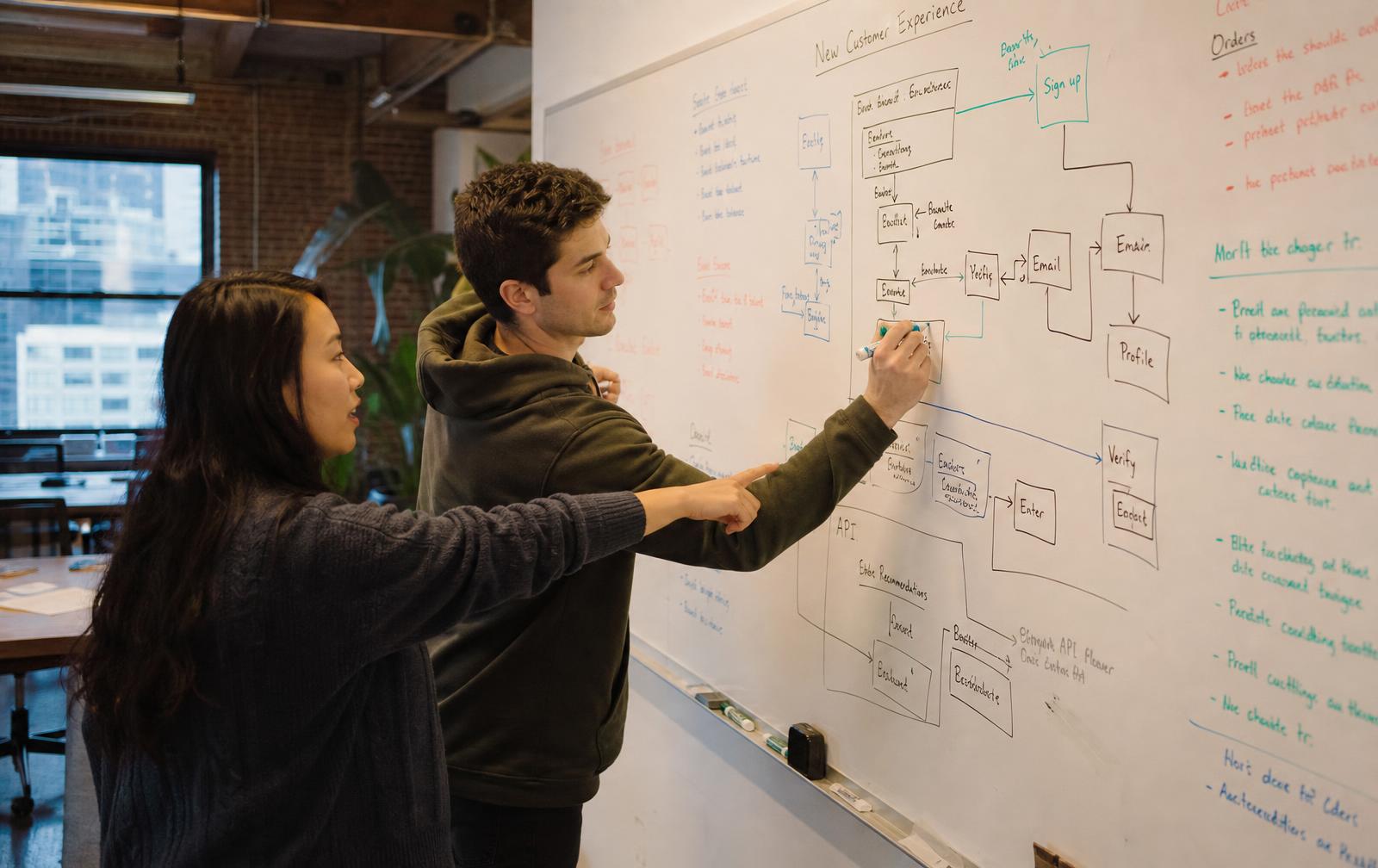
We are in San Francisco on purpose: closest to the model releases, the researchers and the founders redrawing what software can do, and we point all of it at a profession that never had one good tool. In person most days, whiteboards, calls with funeral directors on speaker, something shipped before you go home.
Scope you could not get anywhere else
No layers, no committees, no roadmap handed down. You pick a problem, sit with the funeral directors living it, and own the answer from the schema to the last pixel.
The stakes are the whole point
Everything you ship lands in the worst week of someone's life. Getting the details right visibly matters to a stranger who will never meet you.
AI is the product, not a feature
Our agents answer the phone, draft the paperwork, chase the vendors and move cases forward. You build the system, not a wrapper around one.
Early enough to matter
The person who joins now writes the architecture, the playbook and the standard. That window closes once, and it is open right now.
Open roles
Two seats, both founding-level scope. If the thesis above is one you would bet your next few years on, this is where you do it.
How we hire
Four steps, usually inside two weeks.
Intro call
Thirty minutes on what you want to own next and what we are building.
Deep dive
A long conversation with the founder about your craft, your taste and your questions.
Real work
A paid work trial for engineers, a live pipeline exercise for sales. No brain teasers.
Offer
References, meet the team, decision. We move fast and we do not ghost.
Apply
Nothing that fits? Pick "Open application" and tell us what you would own. Some of the best hires start that way.