Industry
NFDA 2026 in Charlotte: What to Actually Act On
A practical filter for NFDA 2026 in Charlotte: the handful of trends, vendor conversations and ideas worth a follow-up call, and the noise you can safely skip.
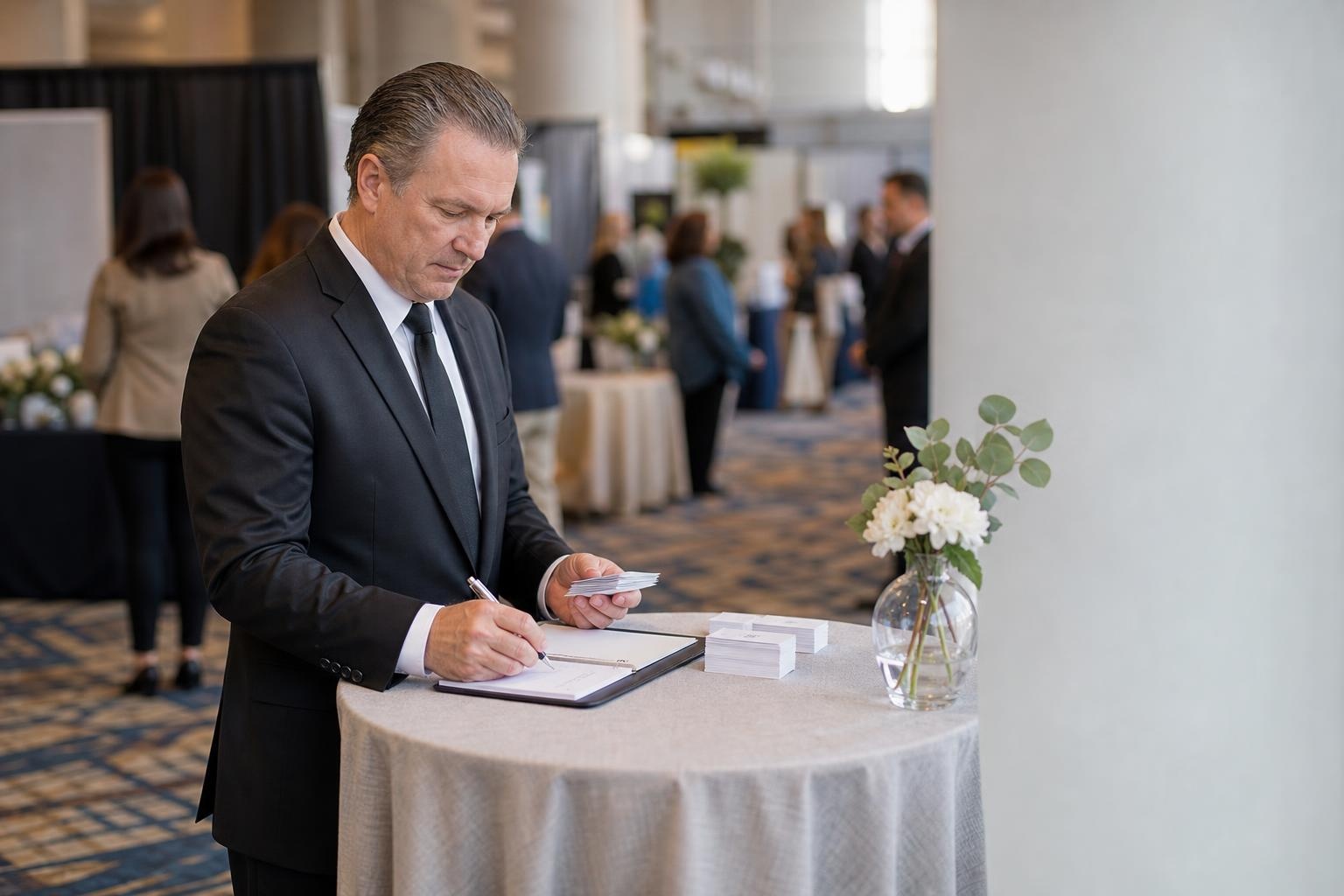
NFDA 2026 in Charlotte will do what every large industry conference does: pack three days with keynotes, vendor booths, continuing education credits and hallway conversations that blur together by the second evening. Most attendees come home with a tote bag of flyers, a stack of business cards they will not call, and a vague sense that "things are changing." That is not a debrief. That is noise.
This is a filter, not a recap. If you are deciding whether to go, or you went and are now sorting through what matters, here is a short list of what deserves a real follow-up call versus what can wait until next year.
The sessions worth your actual attention
Skip the panels that restate what you already know about pre-need marketing or basic social media. The sessions worth sitting through at NFDA 2026 are the ones addressing three pressure points that independent funeral homes are already feeling: staffing shortages at the intake and on-call level, the shift in how families search for and vet a funeral home before they ever call, and the slow but real consolidation pressure from larger ownership groups.
If a session title mentions AI, call handling, or case management automation, it is worth your time this year, not because the technology is novel anymore, but because the vendors demoing it have finally moved past the pitch deck stage. Ask presenters for a live, unscripted demo, not a recorded walkthrough. If they hesitate, that tells you something.
We have written before about how families actually behave once they decide they need a funeral home, including what they expect from the first phone call and the first hour of contact. That context is worth reading before you sit through any session on "the modern family experience," because it will help you tell which speakers are describing real shifts and which are repeating conference-circuit talking points. See What Families Expect When They Call a Funeral Home in 2026.
The exhibit hall: three categories, one filter
The exhibit hall at a show this size will have well over a hundred vendors. Most funeral directors wander it without a plan and end up overwhelmed. Break it into three categories before you walk the floor:
- Case and document management software. Ask every vendor in this category one question: does this integrate with the state and county systems you already file with, or does it require manual re-entry. Several platforms will claim integration that is really just an export button.
- Intake and call handling tools. This category has grown the most since last year's show. Ask specifically how the tool handles a 2 a.m. death call when no staff member is available, and whether a family member speaking to it can tell it is not a person. If the vendor cannot answer that directly, keep walking.
- Marketing and advertising platforms. Most booths here are still selling SEO and Google Ads packages built for a search behavior that is shifting. Families increasingly ask AI assistants directly for funeral home recommendations rather than typing a search query. Few vendors on the floor will mention this, which is itself useful information. We cover the shift in more depth in Why Funeral Homes Must Advertise for AI, Not Just Google.
The filter that matters across all three categories: does this tool reduce the number of things a director has to remember to do manually, or does it just add another dashboard to check. Charlotte will have no shortage of dashboards.
The trend that will dominate hallway conversation
Every NFDA show has one topic that dominates informal conversation more than any scheduled session. For 2026, expect it to be consolidation and private equity ownership. Directors at independent and family-owned homes will be comparing notes on offers they have received, staffing poached by larger groups, and the pricing pressure that comes from competing against a chain with centralized marketing budgets.
This is worth engaging with directly rather than avoiding. The directors who come away from Charlotte with something useful are the ones who ask peers specific questions: what technology or staffing changes let a nearby independent home hold its ground, not just whether they sold or stayed. If this pressure is already affecting your market, it is worth reading How Independent Funeral Homes Compete with Private Equity Chains before the show, so you know what questions to ask rather than just absorbing anxiety from other attendees.
Related to this, pay attention to any session or vendor discussion that touches on operational efficiency as a survival strategy rather than a cost-cutting exercise. Independent homes that have managed to compete on service quality while matching the response times and polish of larger groups are almost always doing it through better intake and admin systems, not through bigger marketing spend. That theme connects directly to the broader difficulty of growing a funeral home in a market where most of the research and comparison happens online before a family ever calls, a shift we unpacked in Why Funeral Home Growth Is Harder in a Digital-First World.
What to actually do when you get home
Conference momentum fades fast. The business cards that sit on your desk for three weeks will not get called. Set a rule before you leave Charlotte: within five business days of returning, you follow up with no more than three vendor conversations and schedule one internal meeting with your staff to discuss a single idea worth testing.
Three is not an arbitrary number. It is roughly the limit of what a working funeral home owner can realistically evaluate and pilot without the follow-up dying under the weight of daily case work. If you come home with fifteen interesting ideas, you will likely act on zero of them. If you come home with three, you have a real shot at implementing one before next year's show.
Before you book any vendor demo, write down what a successful pilot looks like in concrete terms: fewer missed after-hours calls, faster document turnaround, more families converting from the first call to an arrangement meeting. If the vendor cannot show you how their tool moves that specific number, it is a conference souvenir, not a business decision. For a broader checklist of what actually counts as a useful AI tool versus a demo gimmick, our AI Tools for Funeral Homes: A Practical Guide is a reasonable starting point.
The grounded takeaway
NFDA 2026 in Charlotte will be useful if you treat it as a sourcing trip, not a learning retreat. Walk in with three questions you need answered: how to handle intake pressure, how to hold ground against consolidation, and how families are actually finding you now. Walk out with no more than three follow-ups and one internal meeting on the calendar.
Everything else, the tote bag, the keynote quotes, the booth swag, is forgettable by design. At Lethra, we spend a lot of time talking with directors about which of these conference-floor promises actually hold up once the call volume and the paperwork pile back up the Monday after the show. If intake and case admin are the piece you came home worried about, that is a conversation worth having before the ideas go cold.
Also available in